








Sustainability in Cleaning Consumables: Small Changes, Big Environmental Impact
Sustainability has become a key consideration for organisations across every sector, and the cleaning industry is no exception. While attention is often focused on energy consumption and waste management, cleaning consumables represent a significant opportunity to reduce environmental impact and support broader sustainability goals.
From paper products and cleaning chemicals to bin liners and dispensing systems, the choices businesses make regarding cleaning consumables can have lasting effects on the environment, operational costs, and corporate reputation.
Why Sustainable Cleaning Consumables Matter
Traditional cleaning consumables often generate substantial waste, require significant natural resources to manufacture, and contribute to carbon emissions throughout their lifecycle. As organisations strive to meet environmental targets and demonstrate social responsibility, reviewing cleaning consumables is becoming an essential part of sustainable operations.
By adopting environmentally responsible alternatives, businesses can:
- Reduce waste sent to landfill
- Lower carbon emissions
- Minimise the use of virgin raw materials
- Improve recycling rates
- Support a circular economy
- Demonstrate commitment to environmental, social and governance (ESG) objectives
Sustainable Paper Products
Paper-based consumables such as hand towels, toilet tissue and wiping rolls are among the most frequently used products in commercial environments.
Choosing products made from recycled fibres can significantly reduce the demand for virgin wood pulp, helping to preserve forests and biodiversity. Many manufacturers now offer high-quality recycled alternatives that perform as effectively as traditional products while carrying recognised environmental certifications.
Dispensing systems can also play an important role in sustainability. Controlled-dispensing technology helps reduce overuse, limiting waste and lowering overall consumption.
Key considerations:
- Products manufactured from recycled materials
- FSC-certified paper sources
- Controlled dispensing systems
- Plastic-free packaging where available
- Local or regional sourcing to reduce transportation emissions
Environmentally Responsible Cleaning Chemicals
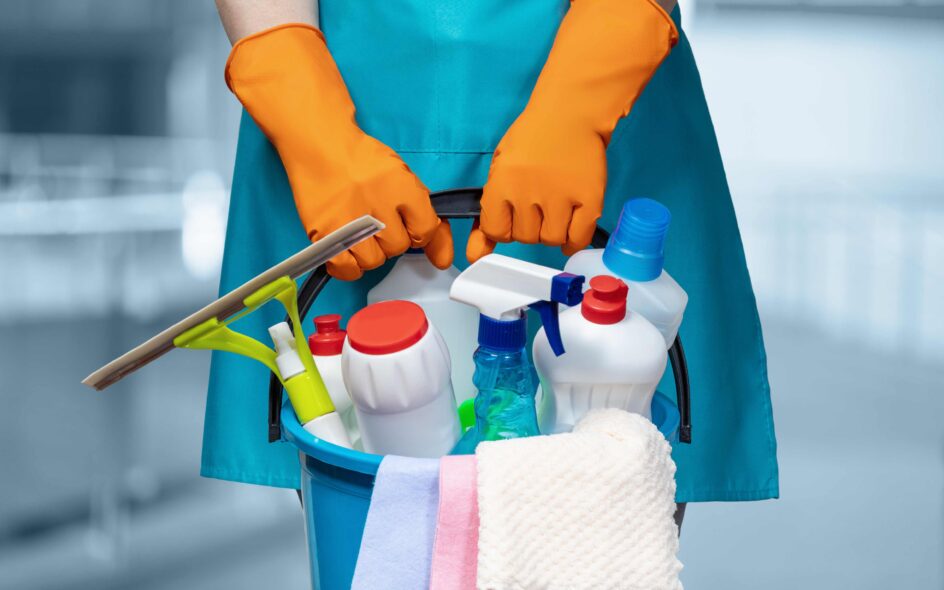
Cleaning chemicals are essential for maintaining hygiene standards, but they can also have environmental consequences if not selected and used responsibly.
Many modern sustainable cleaning products are formulated using biodegradable ingredients that break down naturally and reduce the risk of water pollution. Concentrated products are particularly beneficial because they require less packaging, less storage space and lower transportation emissions.
Businesses can further reduce environmental impact by implementing dilution control systems. These systems ensure chemicals are used at the correct concentration, preventing waste and improving cleaning efficiency.
Benefits of sustainable chemical solutions:
- Reduced packaging waste
- Lower transportation costs and emissions
- Improved workplace safety
- Reduced environmental toxicity
- Better stock control and reduced product consumption
Reducing Plastic Waste
Plastic remains one of the biggest sustainability challenges across many industries. Cleaning operations often rely on plastic bottles, containers, trigger sprays and packaging materials.
Fortunately, manufacturers are increasingly developing alternatives that minimise plastic use without compromising functionality.
Options include:
- Refillable spray bottles
- Reusable dilution systems
- Recycled plastic packaging
- Bulk purchasing formats
- Packaging return schemes
By moving away from single-use plastics where practical, organisations can make a noticeable contribution to waste reduction efforts.
Sustainable Bin Liners and Waste Management Products
Waste collection products are often overlooked when discussing sustainability. However, switching to recycled or responsibly sourced bin liners can significantly reduce environmental impact.
Many suppliers now offer liners manufactured from recycled polymers, reducing dependence on virgin plastics while maintaining strength and reliability. Selecting the appropriate liner size and thickness can also prevent unnecessary material usage.
Effective waste segregation systems further support sustainability by improving recycling rates and reducing contamination of recyclable materials.
The Role of Product Lifecycle Thinking
Sustainability is about more than simply choosing products labelled as “green.” Organisations should consider the entire lifecycle of cleaning consumables, including:
- Raw material sourcing
- Manufacturing processes
- Transportation
- Product use
- Disposal or recycling
A holistic approach helps businesses identify opportunities to reduce environmental impact at every stage and make purchasing decisions based on long-term value rather than initial cost alone.
Cost Savings Through Sustainability
One common misconception is that sustainable products are always more expensive. While some environmentally friendly options may carry a higher purchase price, they often deliver cost savings over time.
For example:
- Concentrated chemicals reduce usage rates.
- Controlled dispensing systems minimise waste.
- Durable products require less frequent replacement.
- Efficient inventory management reduces over-ordering.
When viewed through the lens of total cost of ownership, sustainable cleaning consumables can often provide both financial and environmental benefits.
Building a Sustainable Cleaning Strategy
Organisations looking to improve sustainability should start by conducting an audit of their current cleaning consumables. Understanding existing consumption patterns can help identify quick wins and longer-term opportunities.
A successful strategy should include:
- Setting measurable sustainability objectives
- Choosing suppliers with strong environmental credentials
- Training staff on responsible product usage
- Monitoring consumption and waste levels
- Regularly reviewing new sustainable product innovations
Conclusion
Sustainability in cleaning consumables is no longer a niche consideration. It is an increasingly important aspect of responsible business operations, helping organisations reduce environmental impact while improving efficiency and supporting corporate sustainability goals.
By adopting recycled paper products, environmentally responsible cleaning chemicals, waste-reducing dispensing systems and sustainable packaging solutions, businesses can make meaningful progress towards a cleaner, greener future. Often, the most significant environmental improvements come not from major operational changes, but from the everyday products used across facilities and workplaces.
See Also


Accreditations & Memberships